15th European Oncology Conference 2026
November 27-28, 2026, Bangkok, Thailand
Theme: Bridging European Excellence with Global Cancer Care
It is our distinct pleasure to welcome you to the 15th European Oncology Conference 2026, taking place from November 27-28, 2026 in the vibrant city of Bangkok, Thailand. This year’s conference is centered around the theme: “Bridging European Excellence with Global Cancer Care” — a forward-looking exploration of translational research, clinical breakthroughs, and cutting-edge innovations in cancer care.
The conference will feature an engaging program including keynote presentations, scientific sessions, invited talks, symposia, workshops, panel discussions, and an exhibition, offering a truly multidisciplinary platform for knowledge exchange and collaboration.
European Oncology Conference 2026 will bring together a global community of experts, including oncologists, cancer researchers, medical scientists, academic professionals, healthcare practitioners, clinicians, industry leaders, scholars, and policy-makers from diverse specialties such as hematology, surgery, radiology, pediatrics, nursing, pathology, advocacy, and pharmaceutical sciences.
This international forum is designed to foster dynamic discussions, present the latest advancements, and inspire collaborative efforts across academia, clinical practice, and industry to accelerate progress in the fight against cancer.
The primary aim of the European Oncology Conference 2026 is to promote innovative research and advancements in cancer research, oncology, cancer therapy, and treatment, with a strong focus on ongoing and future perspectives. The conference is expected to host over 100 delegates from various countries, fostering a truly international dialogue.
This Conference offers a dynamic platform for researchers, academicians, scientists, and industry professionals to share original research, exchange ideas, and explore collaborative opportunities. It serves as an international forum for the presentation and discussion of both theoretical and practical applications across all domains of cancer research and treatment.
The objective is to raise awareness, enhance knowledge, and provide an ideal setting for participants to engage in meaningful dialogue. The conference also aims to foster the exchange of innovative concepts, prototypes, and future research directions. Emphasizing interdisciplinary collaboration, the event reflects the current global trends, challenges, and breakthroughs in cancer science and clinical practice.
Speaker Benefits at European Oncology Conference 2026
- Access to All Sessions Offline and Online
- Handbook & Conference Kit
- Certificate of Presentation by International Organizing Committee (IOCM)
- Convenient to all Scientists, researchers and eminent professors
- Visibility of your profile across world
- Creation one web page for each participants
For any further information/queries, please send mail at:
oncology@scientificmeditech.com; inquiry@scientificmeditech.com
Dear Colleagues, Researchers, and Esteemed Guests,
On behalf of the organizing committee, it is our immense pleasure to welcome you to the 15th European Oncology Conference 2026, to be held on November 27-28, 2026, in the vibrant city of Bangkok, Thailand.
This year’s conference is themed: “Bridging European Excellence with Global Cancer Care”, reflecting our commitment to bridging cutting-edge research and clinical practice to transform patient care. The conference will bring together leading oncologists, researchers, clinicians, and industry experts from around the world to share insights, innovations, and breakthroughs in oncology.
We are excited to offer a platform for meaningful scientific exchange, networking, and collaboration that will help drive the next generation of cancer research and treatment. Whether you join us in person or virtually, we are confident that your participation will contribute to the success and impact of this conference.
We look forward to welcoming you to Barcelona and to a stimulating, engaging, and inspiring event!
Warm regards,
The Organizing Committee
15th European Oncology Conference 2026
Scientific Sessions and Tracks
Session 01: Cutting-Edge Advances in Cancer Biology and Molecular Oncology
Session 02: Genomic Profiling and Precision Oncology Strategies
Session 03: Cancer Biomarkers and Companion Diagnostics
Session 04: Immuno-Oncology: Checkpoint Inhibitors, CAR-T, and Neoantigen Vaccines
Session 05: Emerging Trends in Targeted and Personalized Cancer Therapies
Session 06: Translational Research and Novel Therapeutic Pathways
Session 07: Drug Discovery, Development, and Clinical Trial Innovation
Session 08: Pharmaceutical Oncology: Delivery Systems and Formulations
Session 09: Cancer Pharmacology and Resistance Mechanisms
Session 10: Cancer Vaccines and Oncolytic Viral Therapies
Session 11: Tumor Microenvironment and Immune Modulation
Session 12: Advances in Cancer Diagnostics and Molecular Staging
Session 13: Liquid Biopsies, ctDNA, and Non-Invasive Monitoring Tools
Session 14: Radiogenomics and AI-Assisted Imaging in Oncology
Session 15: Surgical Oncology and Image-Guided Biopsy Techniques
Session 16: Breast Cancer: Molecular Subtypes and Therapeutic Updates
Session 17: Lung Cancer: Targeted Therapy and Immunotherapy Integration
Session 18: Gynecologic Cancers: Innovations in Ovarian and Cervical Cancer Care
Session 19: Skin Cancer and Melanoma: Early Detection and Immunotherapeutics
Session 20: Brain Tumors and Neuro-Oncology: Research and Clinical Advances
Session 21: Oncology Nursing and Multidisciplinary Care Models
Session 22: Cancer Survivorship, Quality of Life, and Palliative Care
Session 23: Nutrition, Lifestyle Medicine, and Preventive Oncology
Session 24: Traditional, Complementary, and Integrative Cancer Therapies
Session 25: Population Oncology and Cancer Epidemiology
Session 26: Health Equity and Access in Global Cancer Care
Session 27: Clinical Case Reports, Trials-in-Progress, and Lessons Learned
Session 28: Future Directions and Disruptive Innovations in Oncology
Cancer, also called malignancy, is an abnormal growth of cells. There are more than 100 types of cancer, including breast cancer, skin cancer, lung cancer, colon cancer, prostate cancer, and lymphoma. Symptoms vary depending on the type. Cancer treatment may include chemotherapy, radiation, and/or surgery. Possible signs and symptoms include a lump, abnormal bleeding, prolonged cough, unexplained weight loss, and a change in bowel movements. While these symptoms may indicate cancer, they can also have other cause.
The investigation of the malignancy gene helps in targeting the mutation directly in order to treat the disease or prevent it from growth. Advanced genomic testing is helpful in recognizing the DNA variations which can cause the gene alterations resulting in the formation of cancer cells. Genomic testing help oncologists to study the about individual genomic alterations that are unique for each individual, hence preparing personalized medicine to target such mutation cells will be forever helpful in treating the disease.
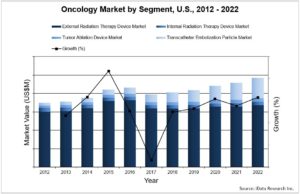
The growing studies and successful researches in the field have given rise to its market value and is proceeding on its way to grab the entire market and save it from the deadly cancer disease. The global cancer genomics size was valued to be $9216 million in 2014 and grew to be $17.8 billion in 2028. The rising investments by governments in biotech, growth in the number of genomics projects, decreasing sequencing cost and the increasing R&D activities for the development of novel therapies are serving as the main pillars for the growth of the oncogenomics market.
Target Audience
Cancer 2025 brings together individuals who have an interest in different fields of cancer research and can attend Oncology Researchers, Doctors Scientists, Academic researchers, Industry specialists, Scholars in the field of Oncology, Hematology, Surgery, Nursing, Radiology, Paediatrics, Advocacy, etc Cancer Researchers, Cancer research Faculty, Medical Colleges, Radiologists, Chemo therapists, Pathologists, Business Entrepreneurs Pharmaceutical Industries, Healthcare Industries.
Opportunities for Webinar Attendees
| Oral | Poster | Workshop/Symposium | e-Poster | Video Presentation |


Speaker Opportunities : Oral Presentation, Poster Presentation, E-Poster, Video Presentation
WHY TO CHOOSE SCIENTIFIC MEDITECH CONFERENCES